
Anúncios
Many individuals seek to simplify payments, yet they remain unsure about credit card installment solutions.
This article will teach you how to evaluate, plan, and responsibly use installment plans.
We will explore what credit card installment plans offer, when they are beneficial, and when caution is advised. By the end, you will understand which strategies can reduce costs, how to avoid common pitfalls, and which global best practices keep your finances steady.
1. Understanding Credit Card Installments
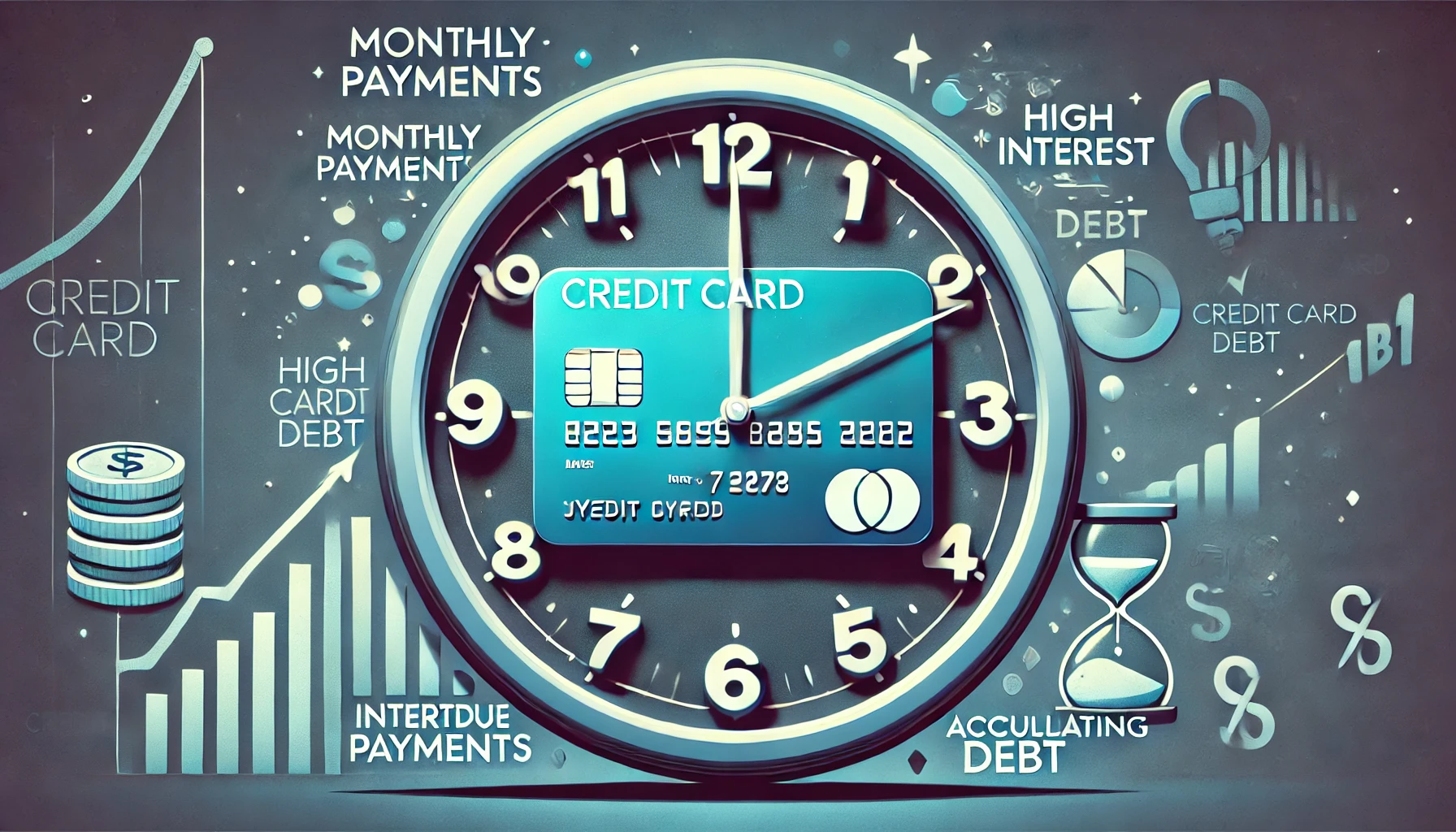
A credit card installment plan splits a purchase’s total cost into multiple, smaller monthly payments over an agreed period. Rather than paying the entire amount at once, the cardholder commits to paying off the purchase gradually, frequently incurring interest or fees.
This setup can look convenient on the surface because it feels like less money is leaving your pocket each month. However, it’s crucial to see how these “smaller payments” accumulate over time.
In many regions, card issuers or merchants allow interest-free installments for a short span—like three or six months—although the final arrangement may still include certain administrative fees. In other places, interest is charged from the outset, making each payment slightly more expensive.
Since it’s an option widely offered across the globe, the system of installments has gained traction due to its combination of flexibility and perceived affordability.
Yet it is not a cost-free transaction. People often overlook the total interest or hidden monthly charges. Also, keeping track of multiple installments from different purchases can complicate personal budgeting. If a consumer pays only the minimum required on other expenses—like a revolving balance—these installments risk piling up.
When too many items are purchased this way, total financial obligations may spin out of control, leading to stressed budgets and potential defaults.
Therefore, understanding the true cost behind an installment plan is essential. Ask about interest rates, monthly fees, or any additional charges the merchant or the card issuer applies. Where do late fees come into play? Is there a penalty for early payoff?
Each detail shapes the ultimate convenience and cost of these purchase installments. By treating the arrangement with a strategic mindset—comparing offers, evaluating your monthly cash flow, and ensuring you can handle the commitments—credit card installment plans can be a practical ally.
1.2 Practical Contexts and Global Usage
As lifestyles vary worldwide, credit card installment plans also adapt to different economic and cultural environments. For instance, in some places, consumers rely heavily on interest-free installments for electronics, household items, or educational expenses. In others, the idea of paying over time is seen as a short-term fix, mainly reserved for emergencies or big-ticket purchases. Despite these variations, the principle of splitting costs to make bigger dreams more manageable remains consistent.
If you live in a region where banks offer “12 months interest-free” for certain partner stores, you might be inclined to upgrade your TV or furnish your home. This practice caters to instant gratification, letting you enjoy items right away while distributing the financial burden. Similarly, small businesses might exploit installment offers to buy professional equipment essential to operations without draining their entire capital at once.
However, in markets with strong consumer protections, you may notice that local regulations cap the interest rate on installments or require transparent disclaimers about fees. Meanwhile, in less regulated environments, some providers can charge significantly higher rates. That’s why it’s crucial to compare multiple credit card brands and merchant offers, ensuring that the nominal interest rate, the monthly fees, and the total effective cost align with your capacity to pay.
Moreover, installment culture fosters heavy use of credit if you are not careful. Purchasing daily goods—like groceries—on installment is a red flag that might point to deeper budget imbalances. In more advanced economies, competition among credit card issuers also means loyalty programs and reward points can sweeten installment deals. Nonetheless, it is only beneficial if you can comfortably pay off each slice without struggling. If you find yourself using new installments monthly just to maintain the same lifestyle, you could be walking a dangerous path.
1.3 Recommendations for Deciding on Installments
• Check Your Monthly Budget:
The essential first step is to evaluate whether the new installment fits into your routine expenses. If it prevents you from saving, signals a potential shortfall next month, or demands sacrificing important bills, it’s unwise.
• Ask for Full Transparency:
Always confirm the number of installments, the interest (or zero-interest promise), and any administrative fees. Sometimes, a store advertises “0% interest,” but hidden charges might apply.
• Limit the Number of Parallel Installments:
Having five different installment plans simultaneously can create confusion. A prudent approach is to keep just one or two ongoing installments to track them effectively.
• Compare Payment Methods:
If an item is cheaper with a one-time payment or using a different credit line with a lower interest rate, that might be better than installments on your standard card.
• Mind the Final Price:
Even with interest-free installments, some merchants inflate the product’s base cost to offset their internal fees. Doing quick research on alternative stores or platforms ensures you are not paying a premium disguised as convenience.
2. Key Advantages of Credit Card Installment Plans
One reason credit card installment plans gain so much traction is the ability to comfortably pay off big purchases over time rather than in a single lump sum. Imagine a consumer who needs a new laptop for school or a home appliance for family needs. Paying the full amount could wipe out their liquidity, leaving them vulnerable to any unforeseen emergencies. By splitting the cost, they maintain some buffer in case they face urgent expenses in the following months.
Furthermore, the sense of financial control derived from structured monthly payments can be psychologically reassuring. Instead of seeing your balance plummet significantly at once, you handle predictable installments. For some, this structure encourages better money management, as it provides a timeline for when the item will be fully paid off. People looking to start a side gig—like a freelance photographer purchasing a camera—might see it as an essential stepping stone.
However, flexibility must be measured against total cost. If you have a stable income and can foresee that these installments won’t hamper your ability to save or pay other debts, the plan is beneficial. But for those without a stable cash flow or who frequently lose track of their outstanding balances, the monthly structure can become a headache, especially if they stack multiple purchases. The distinction between “comfortably spaced payments” and “excessive financial fragmentation” is subtle.
In some developing markets, the “buy now, pay later” mindset is deeply ingrained, precisely because wages may not keep up with the cost of higher-value goods. The only viable method to afford them is through installment. Yet this cultural norm can push individuals to rely excessively on partial payments, limiting their monthly leftover income—sometimes for years. Thus, while the advantage is obvious (access to goods and services they’d otherwise struggle to afford), the consumer must remain attentive to the final interest tallied over time.
2.2 Potential Zero-Interest Deals
Another attractive facet of credit card installment plans is the frequent marketing of “zero-interest” or “interest-free” installment offers. In many regions, banks or merchants partner to provide these promotions for a limited number of installments—commonly 3, 6, or 12 months. On the surface, these look like the perfect solution: you divide a large expense into multiple charges on your statement, but you do not pay additional interest.
Yet it’s vital to examine the fine print. Sometimes a store or e-commerce site artificially raises the base price of the product to offset the “interest-free” deal. Alternatively, there may be an admin fee or monthly fixed cost added, even if the interest rate is officially zero. By asking for a breakdown of how exactly the store and card issuer handle these promotions, you reduce the risk of hidden charges.
When truly free of interest, these promotions can be a genuine advantage, especially for items you need immediately but prefer not to pay in one go. For instance, someone buying furniture might secure a 12-month zero-interest plan. They benefit from preserving savings that might be used for other urgent tasks, and they can allocate future monthly income to pay off the furniture steadily. As long as they ensure the monthly sum remains within their comfortable budget range, it’s a favorable deal.
However, the consumer must remain mindful. Zero-interest deals are typically valid for a limited promotional window. If a single payment is delayed or if a portion of the balance extends beyond the promotional period, the standard (and often higher) interest might kick in. In some cases, a penalty or retroactive interest applies. Also, note that if you revolve any portion of your credit card balance besides those installments, the “special terms” might be negated by the general interest on the card. Therefore, while zero-interest promotions look compelling, proper oversight is essential to reap real savings.
2.3 Rewards and Loyalty Programs
For credit card users who engage heavily in loyalty programs, installment plans can also accumulate additional points or miles. Many banks and card networks want customers to spend more using their credit cards, so they sweeten the deal by offering reward points that scale with monthly installments as if each was a separate transaction. This scenario differs across various issuers but might be a hidden perk.
If a traveler, for instance, is an avid points collector aiming for free flights or hotel upgrades, funneling large purchases into installment plans can maximize monthly point accrual. This method only yields net benefits, however, if the interest rate or fees do not overshadow the value of the points gained. There’s no reason to pay hundreds more in interest just to earn enough miles that correspond to a small discount on a future trip.
For frequent shoppers, certain credit card companies or e-commerce platforms hold promotional campaigns: using their card to buy certain brands on installment might yield double or triple points. Over time, loyal cardholders can accumulate enough to redeem electronics, airline tickets, or other items. Again, the main caution is ensuring that the monthly cost remains affordable and that the interest rate or additional fees do not undermine the perceived benefit of these reward structures.
3. Potential Drawbacks of Credit Card Installment Plans
A main pitfall is that seeing only a fraction of the cost in the monthly statement can lead to overspending. The buyer thinks: “It’s just 10 units a month, I can handle that,” ignoring the fact that they have multiple such installments concurrently. When a card statement lumps together five or six ongoing monthly partial payments, the total can exceed what one would typically spend on a normal monthly budget.
Additionally, the “ease” of making an installment purchase can psychologically detach consumers from the true cost of the product or service. The immediate financial pain is reduced, which can undermine the sense of discipline in purchasing decisions. Over time, these small yet persistent monthly amounts add up, depriving the individual of the ability to save or invest in more critical needs.
In some cultures, the ubiquitous presence of installment advertising fosters a buy-now, pay-later mindset that can overshadow prudent money management. This is not to say such methods are inherently negative—people can indeed upgrade their living standards or handle necessary items earlier—but caution is vital. One should always weigh how each new installment affects the monthly free cash flow and long-term goals like building an emergency fund or paying off existing obligations.
3.1 Compounding Costs and Fee Structures
While an installment plan can appear straightforward, there may be additional charges. Some card issuers impose a small administrative fee per installment, or a monthly maintenance charge that is easily overlooked at first glance. If you do not track your statement carefully, you might end up paying a few extra dollars per month, which—when multiplied by 12 or 24 installments—becomes meaningful.
Additionally, if you revolve any portion of the credit card balance that includes these installments, the card’s general interest might apply to part of that balance. In many places, missing just one payment might push the entire outstanding installment balance into a higher interest bracket. Hence, failing to pay the monthly statement in full each cycle introduces extra complexities, merging the notion of “interest-free installment” with the standard rate or penalty fees.
Similarly, certain promotions demand that you not only pay on time but also comply with specific conditions—like not returning the product or not canceling your credit card. A shopper must remain vigilant about these details. Also, some retailers might tie extended warranties or insurance plans to the installment system, subtly increasing the total cost under the guise of extra protection.
Another consideration is the currency exchange or region-based fee. If you are traveling or buying internationally, the interest or fees on the installment could be subject to foreign transaction charges or exchange rate fluctuations. Thus, someone using installments across borders may pay more than anticipated if the currency rates shift or if the card issuer applies a markup on these transactions. Understanding each line item in your monthly statement is vital, as it reveals how the sum you owe is composed.
3.2 Risk of Impulse Purchases
An overlooked consequence of installment culture is that it lowers the psychological barrier to big purchases. Without installments, a consumer might hesitate before dropping a large lump sum on a new smartphone or expensive hobby gear. When installments are available, the monthly portion might look benign—“just 50 units a month”—fostering impulse decisions that would have been postponed or canceled had full payment been mandatory upfront.
Impulse-driven consumption can hamper not only short-term budgeting but also block medium- to long-term objectives. If someone is saving for an educational course or planning to buy a home in a year, frequent installment deals on non-essential items can deplete the surplus they would otherwise channel into more critical investments. The mental approach becomes “I can always pay later,” encouraging a sense of complacency regarding the overall debt load.
Moreover, impulse purchases on installments might outlast the item’s usefulness or emotional value. A shopper might remain paying for 12 or 18 months on an object that they used intensively for only the first few months. This mismatch between usage period and payment schedule can lead to frustration and regret. Planning, introspection, and cost-consciousness remain the best defenses against impulse-fueled installment decisions that linger on statements long after the novelty has worn off.
4. Comparative Chart
Below is a simplified comparative table with a maximum of four columns, illustrating different aspects of credit card installment plans, single-payment credit card usage, and personal loan usage, as well as an “other lines of credit” column. This can help readers discern the differences at a glance.
| Aspects | Credit Card Installment | Single-Payment Credit Card | Personal Loan | Other Lines of Credit |
|---|---|---|---|---|
| Payment Flexibility | Payments spread over several months | Full payment in next statement cycle | Fixed installments over an agreed term | Varies (overdraft, credit line, etc.) |
| Interest and Fees | Possible monthly fees or interest if not zero-interest | High interest if balance revolves | Set interest rate, possibly origination fee | Usually flexible rates, but can be high for overdrafts |
| Ease of Access | Very common, widely accepted, often easy to set up | Automatic with credit card usage, but high revolve costs | Requires applying, possible documentation | Some require collateral or special conditions |
| Risk of Overspending | High—small monthly costs can add up | Also high if user only pays partial bill each cycle | Lower if disciplined, but adding another monthly bill | Medium—depends on discipline and structure of the product |
5. Testimonials from Around the World
Ingrid (Norway)
“I used to pay for most purchases upfront, but after I saw an appealing installment offer for some technology equipment, I decided to give it a try. In Norway, many banks and card issuers are straightforward about their fees, so it was easy to compare different promotions. The biggest benefit for me was splitting a high initial cost into smaller parts, allowing me to maintain my monthly budget for other necessities. The key, however, was discipline—I had to carefully note each installment on my spreadsheet. That way, I avoided any confusion and ensured I’d never take on more partial payments than I could handle.”
Santiago (Uruguay)
“Here, credit card installment deals are quite common, especially for electronics and home appliances. When I wanted a new TV, the store proposed 12 interest-free installments if I used their partnered bank’s credit card. It sounded great, but I also discovered a small processing charge in the fine print. Although the extra cost was minimal, it served as a reminder that ‘interest-free’ does not always mean completely free. Overall, though, it made buying a bigger item more feasible without draining my savings all at once. My advice is to double-check the actual total; if it’s still favorable after all fees, installments can be a useful tool.”
Thandi (South Africa)
“I never thought much about dividing payments on a credit card until I needed to cover urgent home repairs. The roofing company offered me a credit card plan with interest slightly lower than my usual card. It helped spread out the expense for six months, preventing a single large blow to my finances. In my country, people often rely on installment deals for day-to-day needs, but that can become dangerous if you start stacking too many. In my case, the arrangement worked well because I only used it once, for this specific repair, and stayed current with monthly dues. But I’ve seen others who juggle multiple installments at the same time, and it can get out of hand quickly.”
6. Frequently Asked Questions
1. Is paying in installments on the credit card always more expensive than paying in full?
Not necessarily. In certain cases, merchants or issuers offer zero-interest promotions or minimal monthly fees. If it’s genuinely interest-free, dividing the cost over months might not inflate the overall price. However, if hidden fees or standard interest apply, it could become more expensive than paying everything at once or using other financing methods.
2. What if I can’t afford one of the installments?
The best action is to contact the issuer or merchant immediately. Some credit card companies provide short-term deferrals, lower interest rates, or a restructured installment plan. If you simply ignore the payment, you risk late fees, interest rate hikes, and potential damage to your credit score.
3. How do I ensure I’m not overextending my finances with multiple installments?
Start by mapping out your monthly bills and existing debts, checking how much free income remains after essential expenses and savings. If adding a new installment would exceed that comfortable remainder, or heavily reduce your ability to save, it might be unwise. Consider waiting or exploring alternative payment methods.
4. Are there ways to renegotiate an installment plan mid-term if conditions change?
Some issuers allow renegotiation if your financial situation or credit score improves, or if market conditions reduce reference interest rates. However, it depends on internal policies. You can also consider a balance transfer or consolidation loan if it results in a lower overall cost. Always verify if early repayment fees exist.
Related Topics
• Emergency Fund Strategies
• Credit Card Balance Transfers
• High-Interest Debt Management
• Financial Budgeting Tools
• Responsible Use of Credit Cards