
Anúncios
Learning how to use credit cards responsibly can transform your financial health. Master these strategies to boost your credit score effectively.
Discover proven methods to optimize your credit utilization, ensure timely payments, diversify your credit mix, and maintain a healthy credit history. This guide is tailored for readers worldwide, providing adaptable tips to enhance financial stability and secure better credit conditions.
1. Optimize Your Credit Utilization
Credit utilization refers to the percentage of your available credit that you are currently using. It is a critical factor in determining your credit score. Keeping your credit utilization low not only demonstrates responsible credit management but also positively impacts your creditworthiness. Here’s how you can effectively manage and optimize this metric:
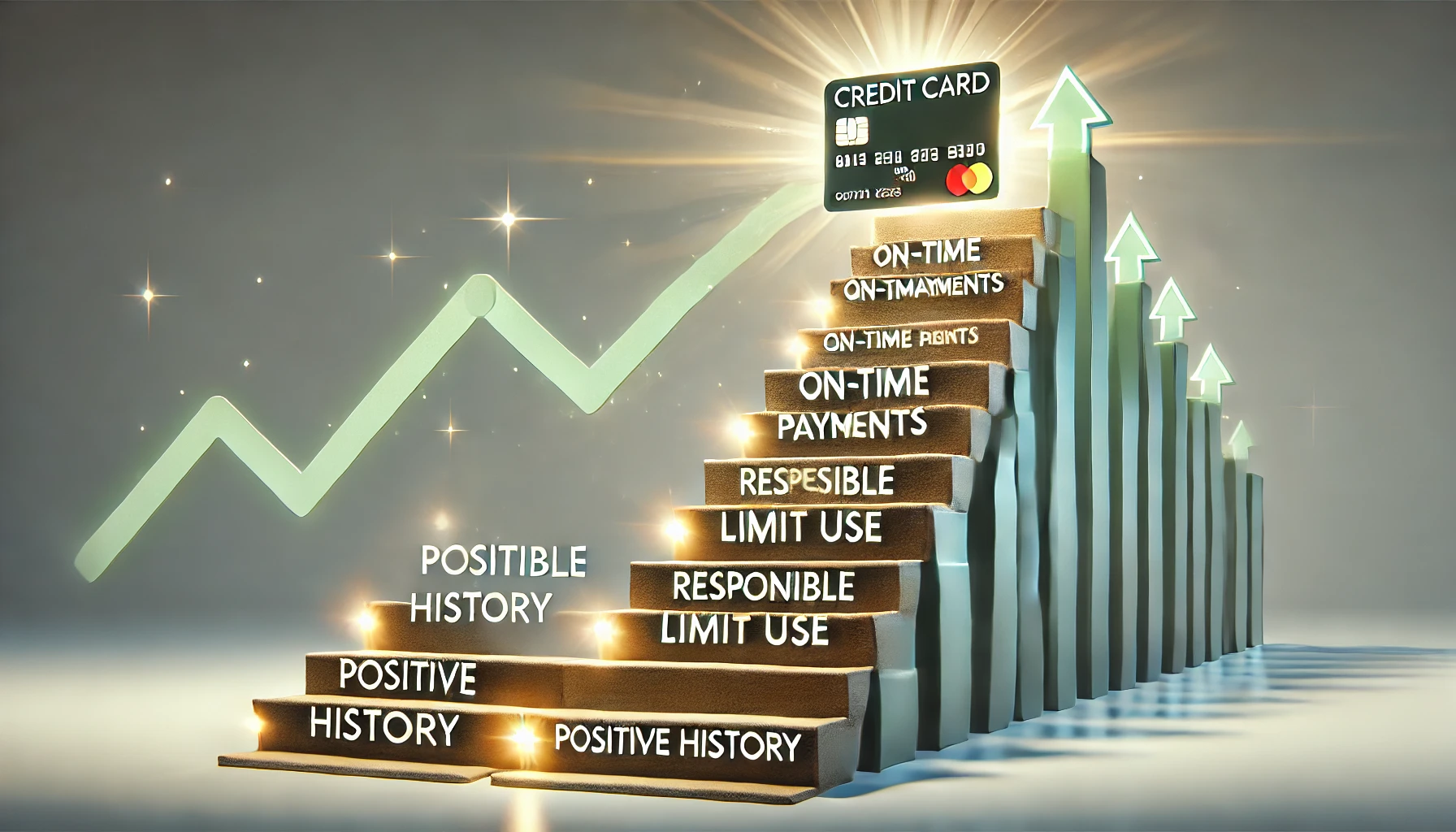
Maintain Low Credit Utilization Ratios
One of the most straightforward ways to improve your credit score is by maintaining a low credit utilization ratio. Ideally, you should aim to use no more than 30% of your total available credit. For instance, if you have a credit limit of $10,000 across all your credit cards, try to keep your total outstanding balance below $3,000. This demonstrates to lenders that you are not overly reliant on credit and can manage your finances responsibly.
Spread Your Spending Across Multiple Cards
If you have multiple credit cards, spreading your spending across them can help keep each card’s credit utilization ratio low. For example, instead of charging $3,000 on one card with a $10,000 limit, you could charge $1,500 on two cards. This approach not only keeps your credit utilization ratio in check but also provides a diversified credit history, which is beneficial for your credit score.
Increase Your Credit Limits Responsibly
Requesting a credit limit increase can immediately lower your credit utilization ratio, provided your spending habits remain consistent. However, it’s essential to approach this responsibly. Only seek higher limits if you can manage the additional credit without increasing your debt. Remember, higher limits can be tempting, but they should not lead to overspending.
Make Multiple Payments Throughout the Month
Making multiple payments within a billing cycle can help keep your credit utilization ratio low. By paying down your balance before the statement closes, you reduce the amount reported to the credit bureaus. This strategy ensures that your credit utilization remains low, even if you have significant expenditures during the month.
Utilize Balance Transfer Offers Wisely
Some credit card companies offer balance transfer promotions with low or 0% interest rates for a limited period. Transferring high-interest debt to a card with a lower rate can reduce your interest payments and help manage your credit utilization more effectively. However, be mindful of any balance transfer fees and ensure you can pay off the balance before the promotional period ends to avoid higher interest rates.
2. Ensure Timely and Full Payments
Timely and full payments are fundamental to maintaining and improving your credit score. Consistently paying your credit card bills on time reflects positively on your credit history and demonstrates reliability to lenders.
Set Up Automatic Payments
One of the most effective ways to ensure you never miss a payment is by setting up automatic payments. Most credit card issuers offer this feature, allowing you to schedule payments for either the minimum amount due or the full balance each month. By automating your payments, you eliminate the risk of forgetting to pay on time, thereby avoiding late fees and negative marks on your credit report.
Create Payment Reminders
If you prefer not to set up automatic payments, creating payment reminders can be equally effective. Use calendar alerts, smartphone notifications, or budgeting apps to remind you of upcoming due dates. Consistently paying by the due date, preferably a few days early, helps maintain a spotless payment history, which is a significant component of your credit score.
Pay More Than the Minimum
Paying only the minimum amount due each month can keep you in debt longer and increase the total interest you pay over time. To improve your credit score and reduce debt faster, aim to pay more than the minimum payment whenever possible. Even small additional payments can make a substantial difference in reducing your principal balance and lowering your credit utilization ratio.
Address Financial Hardships Promptly
If you encounter financial difficulties that impede your ability to make payments, contact your credit card issuer immediately. Many companies offer hardship programs, which may include reduced interest rates, extended payment plans, or temporary suspension of payments. Addressing the issue proactively can prevent your account from becoming delinquent and protect your credit score.
Monitor Your Statements Regularly
Regularly reviewing your credit card statements helps you stay on top of your spending, detect any unauthorized transactions, and ensure that all charges are accurate. By keeping a vigilant eye on your statements, you can address discrepancies promptly and maintain control over your financial obligations.
3. Diversify Your Credit Mix
A diverse credit mix—including different types of credit accounts—can positively influence your credit score. Lenders prefer to see that you can manage various forms of credit responsibly, as it demonstrates financial versatility and reliability.
Incorporate Different Types of Credit
In addition to credit cards, consider incorporating other types of credit into your portfolio, such as installment loans (personal loans, auto loans, mortgages) or retail accounts. Each type of credit has its own risk profile and repayment structure, contributing to a well-rounded credit history. For example, taking out a small personal loan and managing it alongside your credit card payments can showcase your ability to handle different repayment schedules and credit terms.
Maintain Long-Term Credit Accounts
The length of your credit history plays a crucial role in your credit score. Keeping older credit accounts open, even if you don’t use them frequently, can enhance the average age of your credit accounts. This demonstrates stability and a long-term relationship with creditors, which is viewed favorably by lenders.
Limit New Credit Applications
While diversifying your credit mix is beneficial, applying for too many new credit accounts in a short period can negatively impact your credit score. Each credit inquiry generates a hard pull on your credit report, which can slightly lower your score temporarily. Limit the number of new credit applications and only apply for credit when necessary to maintain a healthy credit score.
Balance Different Credit Types
Strive to maintain a balance between revolving credit (credit cards) and installment credit (loans). Revolving credit offers flexibility in borrowing and repayment, while installment credit provides structured repayment terms. A balanced mix indicates to lenders that you can handle various credit responsibilities, thereby improving your credit score.
Use Credit Responsibly Across Different Accounts
Regardless of the type of credit, responsible usage is key. Ensure that you make timely payments, keep your balances low, and avoid overextending yourself financially. Demonstrating responsible management across different credit accounts reinforces your creditworthiness and supports a higher credit score.
4. Regularly Monitor Your Credit History
Keeping a close watch on your credit history is essential for maintaining and improving your credit score. Regular monitoring helps you stay informed about your credit standing, identify areas for improvement, and detect any inaccuracies or fraudulent activities early on.
Obtain Free Credit Reports
Most countries allow individuals to obtain a free copy of their credit report from each of the major credit bureaus at least once a year. Take advantage of these free reports to review your credit history comprehensively. Verify that all information is accurate, including personal details, account statuses, and payment histories. Dispute any errors you find to ensure that your credit report accurately reflects your financial behavior.
Use Credit Monitoring Services
Consider enrolling in a credit monitoring service that provides regular updates on your credit score and alerts you to any significant changes in your credit report. These services can help you stay proactive in managing your credit and responding swiftly to any issues that may arise.
Track Your Credit Score Progress
Regularly tracking your credit score allows you to measure the effectiveness of your financial strategies. Utilize online tools and apps that provide real-time updates on your credit score and offer insights into the factors influencing your score. Understanding these elements helps you make informed decisions to further improve your creditworthiness.
Protect Against Identity Theft
Identity theft can severely damage your credit score. Implement measures to protect your personal information, such as using strong, unique passwords for online accounts, enabling two-factor authentication, and being cautious about sharing sensitive information. If you suspect that your identity has been stolen, take immediate action by contacting the relevant credit bureaus and disputing fraudulent accounts.
Set Financial Goals and Review Progress
Establish clear financial goals related to your credit score, such as paying off a certain amount of debt or reducing your credit utilization ratio. Regularly review your progress towards these goals and adjust your strategies as needed. Celebrating milestones can also keep you motivated to maintain responsible credit habits.
5. Utilize Strategic Payment Techniques
Implementing strategic payment techniques can significantly enhance your credit score. Beyond making timely payments, certain methods can optimize how your payments impact your credit history and overall financial health.
Pay Your Balance in Full
Whenever possible, aim to pay your credit card balance in full each month. Paying the full balance demonstrates financial discipline and ensures that you do not incur interest charges. This practice not only helps you avoid debt accumulation but also positively affects your credit utilization ratio, a key component of your credit score.
Make Multiple Payments Per Month
Making multiple payments throughout the month can help keep your credit utilization ratio low. By paying down your balance before the statement closes, you reduce the amount reported to the credit bureaus. This strategy ensures that your credit utilization remains favorable, even if you have significant expenditures during the month.
Align Payment Dates with Cash Flow
Align your credit card payment dates
with your income schedule to ensure that funds are available when needed. For instance, if you receive your paycheck bi-weekly, set up your payment dates shortly after your pay periods. This alignment helps prevent cash flow issues and ensures that you can make payments on time without straining your budget.
Take Advantage of Grace Periods
Most credit cards offer a grace period—a time between the end of your billing cycle and your payment due date during which you can pay off your balance without incurring interest. Utilize this period by paying your balance in full before the due date to maximize the benefits of the grace period and minimize interest costs.
Use Windfalls to Boost Payments
Whenever you receive unexpected income, such as bonuses, tax refunds, or monetary gifts, use a portion of it to make extra payments on your credit card debt. These windfalls can significantly reduce your principal balance, lower your credit utilization ratio, and accelerate your journey to a higher credit score.
Comparative Chart: Credit Utilization Strategies
Below is a comparative chart highlighting different credit utilization strategies and their impact on your credit score.
| Strategy | Impact on Credit Score | Pros | Cons |
|---|---|---|---|
| Pay Balance in Full | Maximizes credit score by lowering credit utilization and avoiding interest | Avoids debt accumulation, saves on interest | May require disciplined budgeting |
| Make Multiple Payments | Keeps credit utilization ratio low, positively affecting credit score | Reduces interest on balances, maintains low utilization | Requires consistent financial management |
| Increase Credit Limits | Lowers credit utilization ratio if spending remains consistent | Potentially reduces utilization ratio | May lead to overspending if not managed carefully |
| Spread Spending Across Cards | Maintains low utilization on each card, improving overall credit health | Lowers individual card utilization ratios | Requires multiple credit accounts |
Testimonials from Around the World
Maria from Brazil
“Before I started following these credit card strategies, my credit score was struggling. By keeping my credit utilization below 30% and making all my payments on time, I saw a significant improvement in just six months. Now, I have better access to financial products and lower interest rates, which has truly empowered my financial journey.” — Maria Silva, São Paulo, Brazil
John from Canada
“Using my credit card responsibly was daunting at first, but implementing these strategies made a huge difference. Regularly monitoring my credit history and ensuring I paid more than the minimum each month helped boost my credit score. This has opened doors for better mortgage rates and personal loan options, enhancing my overall financial stability.” — John Thompson, Toronto, Canada
Frequently Asked Questions (FAQs)
1. What is the ideal credit utilization ratio to aim for?
The ideal credit utilization ratio is generally below 30% of your total available credit. Keeping your utilization low shows lenders that you manage credit responsibly, which can positively impact your credit score.
2. How often should I check my credit score?
It’s advisable to check your credit score at least once a month. Regular monitoring helps you stay informed about your credit status, track your progress, and detect any discrepancies or fraudulent activities early on.
3. Can having multiple credit cards negatively impact my credit score?
Having multiple credit cards does not inherently harm your credit score. In fact, it can be beneficial by providing a diverse credit mix and increasing your total available credit. However, mismanaging multiple accounts by overspending or missing payments can negatively impact your score.
4. How long does it take for credit utilization to affect my credit score?
Changes in credit utilization are typically reported to credit bureaus at the end of each billing cycle. Therefore, improvements or increases in your utilization ratio can affect your credit score within one to two months after the change.
Related Topics
• Credit Score Improvement Tactics
• Managing High-Interest Debts
• Emergency Fund Building Strategies
• Home Equity Loans vs. Personal Loans
• Negotiating Debt with Creditors
• Strategies for Budgeting During Economic Downturns
• Financial Counseling Services and Nonprofit Credit Advisors
• Refinancing Personal Loans
• Impact of Late Payments on Credit
• Using Online Lenders vs. Traditional Banks
By understanding and implementing these financial strategies with credit cards, you can effectively improve your credit score and achieve greater financial stability. Whether you’re looking to consolidate debt, prepare for a major purchase, or simply enhance your creditworthiness, these practices provide a solid foundation for responsible credit management.
Remember, the key to a healthy credit score lies in disciplined spending, timely payments, and a strategic approach to credit utilization. Start applying these strategies today to pave the way for a brighter financial future.